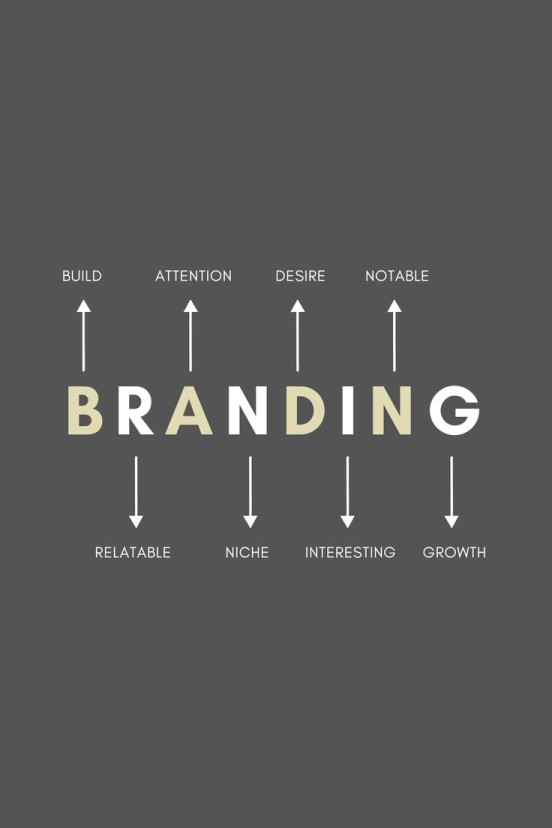
A logo and a memorable tagline are no longer the only components of branding in today’s fiercely competitive, digital-first society. It is the whole impression that people have about a company, item, or person. Building trust, recognition, and long-term profitability all depend on a brand’s appearance, sound, and customer experience. Strong branding makes you stand out in a crowded market, whether you are a startup, an expanding company, or a personal brand.
This index-worthy, SEO-optimized book discusses what branding is, why it matters, its fundamental components, forms of branding, branding tactics, and how companies can create a strong, memorable brand in the digital era.
What is Branding ?

The practice of giving a company or individual a distinctive identity in the eyes of customers is known as branding. It comprises non-visual components like brand voice, values, mission, and customer experience in addition to visual components like logo, colour scheme, typography, and design.
To put it simply, branding is how consumers identify, recall, and relate to your company on an emotional level. A powerful brand conveys your values, what you have to offer, and why clients should pick you over rivals.
What Makes Branding Vital?
One of a company’s most important assets is its brand. The following are some main justifications for the significance of branding:
1. Increases Brand Awareness
Maintaining a consistent brand helps people recognise your company. Customers become accustomed to and remember your brand when they see your logo, colours, and messaging on a regular basis.
2. Builds Credibility and Trust
Consumers favour purchasing from reputable brands. Customers are reassured of quality and dependability by a professional and consistent brand image, which also increases credibility.
3. Sets You Apart from Rivals
Branding makes you stand out in a crowded market. You stand out from rivals providing comparable goods or services thanks to your distinctive brand personality and beliefs.
4. Promotes Client Loyalty
Emotional ties are produced by strong branding. Consumers who identify with your brand’s values are more inclined to stick with it and refer others to it.
5. Encourages advertising and marketing
All marketing initiatives are strengthened by branding. A distinct and unified brand identity enhances the effectiveness of advertisements, social media initiatives, and content.
Essential Components of Branding
Several essential components that combine to create a powerful identity are used to create effective branding.
1. Identification of the brand
Visual components of a brand’s identity include its logo, colours, typefaces, packaging, and general design aesthetic. These components establish identification and serve as a visual representation of your brand.
2. Tone and Voice of the Brand
The way a brand interacts with its audience is defined by its brand voice. It may be amiable, businesslike, audacious, or sentimental. Maintaining a consistent tone across all channels fosters trust and familiarity.
3. Mission and Brand Values
A brand’s mission statement outlines its goal, but its brand values represent its beliefs. Today’s consumers are more drawn to companies that align with their beliefs and goals.
4. Positioning of the Brand
Brand positioning describes your brand’s place in the market and how it differs from rivals. It provides an answer to the query: Why should clients pick you?
5. Experience with the Brand
Customer experience, from website navigation and customer service to product quality and post-purchase assistance, is another aspect of branding. A favourable encounter improves the perception of the brand.
Different Branding Types
Businesses are not the only ones who use branding. Depending on objectives and target audience, branding can take many different forms.
1. Branding of products
The goal of product branding is to give a particular product a distinctive identity. Smartphones, cosmetics, and food products with unique names and packaging are a few examples.
2. Business Branding
A company’s overall identity is reflected in its corporate branding. It represents the company’s reputation, culture, and ideals in all of its goods and services.
3. Individual Branding
Promoting a person’s abilities, knowledge, and character is the goal of personal branding. Personal branding is used by professionals, entrepreneurs, freelancers, and influencers to establish credibility and authority.
4. Online Branding
Online presence via websites, social media, SEO, content marketing, and online reputation management is the main focus of digital branding.
5. Branding of Employers
Employer branding promotes a business as an excellent place to work. By highlighting workplace culture, beliefs, and employee experiences, it aids in luring and keeping talent.
In the Digital Age, Branding
Branding has changed dramatically as social media and online platforms have grown in popularity. Consistency is necessary for digital branding in emails, ads, social media platforms, and websites. More than ever, consumers engage with brands online, making digital branding essential to success.
Brand image is greatly influenced by social media sites like Facebook, Instagram, YouTube, and LinkedIn. A strong online brand presence can be developed by consistent posting, interesting content, visual coherence, and genuine communication.
Another crucial component of digital branding is search engine optimisation, or SEO. Search engine ranking boosts visibility and establishes your business as reliable and knowledgeable.
How to Create a Powerful Brand: Step-by-Step Guide
1. Establish Your Brand’s Goals
Knowing why your brand exists is the first step. Clearly state your vision, goal, and essential values.
2. Recognise Your Audience
Recognise the needs, preferences, issues, and behaviours of your audience. The proper audience is emotionally connected to strong branding.
3. Develop a Distinctive Brand Identity
Create a polished logo by selecting fonts, colours, and images that capture the essence of your company.
4. Create a Unified Brand Message
Ensure that all platforms’ messaging, tone, and images are consistent.
5. Establish an Internet Identity
Make a website, keep your social media accounts current, and optimise it for search engines.
6. Provide Quality and Value
Delivering genuine value is what branding is all about, not simply marketing. Brand trust is strengthened by high-quality goods and services.
7. Track and Enhance Brand Image
Gather input, monitor results, and make constant improvements in response to client demands.
Typical Branding Errors to Avoid
- Unreliable brand identity
- Mimicking rivals
- Disregarding client comments
- Inadequate internet presence
- Absence of distinct brand values
Preventing these errors contributes to the preservation of a powerful and genuine brand image.

In conclusion
The cornerstone of sustained corporate success is branding. It defines how people view and recall your brand, going beyond images and marketing. Strong branding fosters loyalty, trust, and a competitive edge in a world driven by technology. Businesses and people may build strong brands that last by concentrating on a clear brand identity, consistent message, customer experience, and digital presence.
Investing in branding is an investment in future success, growth, and credibility rather than a cost.
Nice article it really helps me alot
Nice article it really helps me alot